


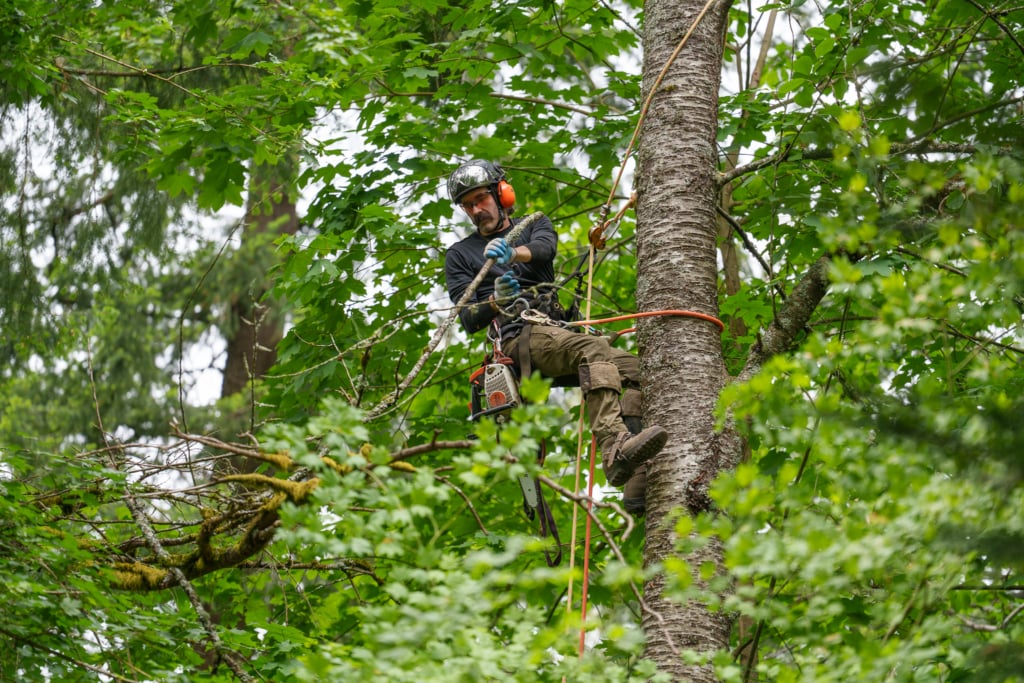
Strong winds and heavy rain often leave outdoor areas damaged without warning signs. Broken branches, fallen trunks, and blocked paths create risk near buildings quickly. Quick action prevents further loss after rough weather passes through the surroundings. Many owners depend on Tree services by Urban Timber Tree Services for safe clean-up support. Proper care after storms keeps structures protected from delayed damage problems.
Early inspection after a heavy storm impact
Checking outdoor areas soon after bad weather reduces hidden danger risks.A fast review helps find broken limbs before they fall near buildings.
Clearing debris around important structures
Loose branches around roofs and walls cause damage during strong winds again.Removing waste quickly keeps the surroundings safe during unstable weather days.
Removing broken limbs from the upper areas
Storm pressure often cracks branches high above ground level suddenly.
- Hanging limbs may fall later, causing damage near building surfaces.
- Broken tops weaken the balance, making the trunk unsafe during the next wind.
- Clearing upper branches reduces the weight pulling the tree toward structures.
- Sharp splits spread deeper when strong wind hits again outside.
- Safe cutting keeps the surrounding space clear for daily movement.
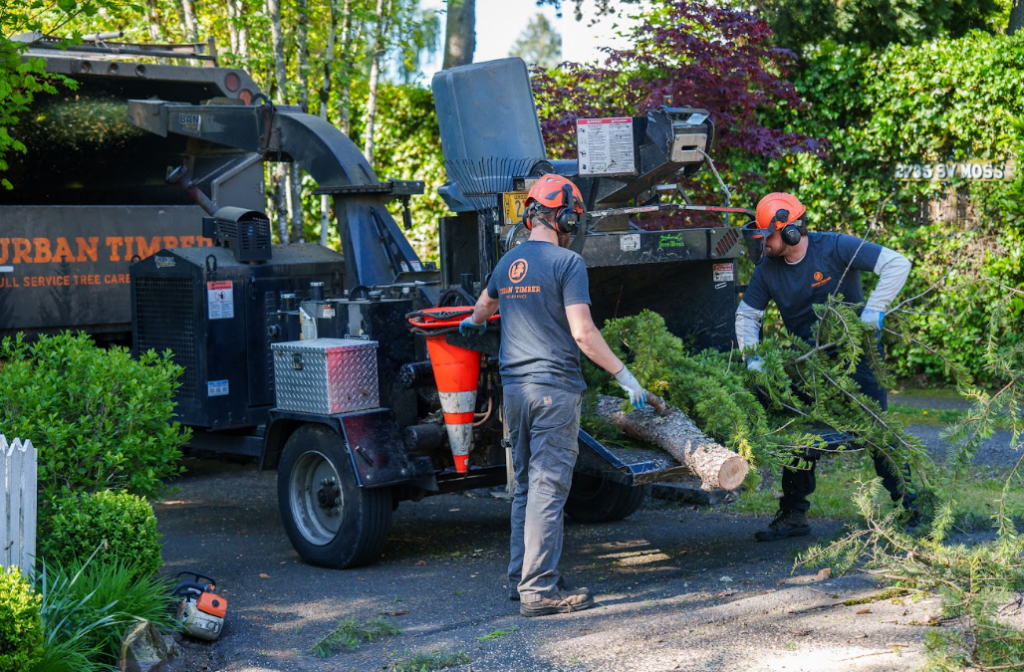
Checking leaning trunks near building spaces
Strong wind can push trunks slightly, causing slow, dangerous movement.
- Leaning trees show root damage after the soil becomes soft quickly.
- Weak base support makes falling risk higher during the next storm.
- Early correction keeps the structure safe from sudden trunk collapse.
- Removing unstable growth prevents damage near walls or fences.
- Ground support work helps the tree stay firm during future weather.
Cleaning roots covered by wet soil
Heavy rain collects near the base, causing poor support underground.
- Mud around roots makes the trunk unstable during strong wind pressure.
- Removing excess soil improves grip, holding the tree firmly upright.
- Proper drainage keeps the ground strong during long wet conditions.
- Clean root area prevents decay from forming near the trunk bottom.
- A stable base lowers the chance of falling during later storms.
Cutting branches touching wires or roofs
Storm movement pushes limbs toward nearby structures very easily.
- Contact with wires creates risk during windy, wet weather days.
- Branch rubbing damages the roof surface during strong movement outside.
- Extra trimming gives a safe distance from important building areas.
- Removing long growth reduces pressure on the trunk during storms.
- Safe spacing protects nearby structures from sudden heavy impact.
Removing dead growth after strong winds
Old dry wood breaks faster when storms hit hard outside.
- Dead limbs fall without warning during the next heavy rain.
- Removing weak parts improves the overall balance of the tree safely.
- Clean cutting stops cracks from spreading into healthy branch areas.
- Healthy growth stays strong when damaged parts are removed early.
- Regular care keeps the yard safer during changing weather seasons.
When should the clean-up start after storms?
Work should begin once the weather becomes calm enough for safe handling.Waiting too long allows damage to grow worse near buildings.Early clean-up keeps the surroundings secure before the next storm arrives.
Strong safety plan
Careful action after storms keeps buildings protected from sudden outdoor damage. Quick repair prevents weak branches, causing trouble during later rough weather. Skilled help from Tree services by Urban Timber Tree Services keeps the surroundings secure always. Regular checking, cleaning, and trimming together reduces risk near important structures. Safe planning always protects property from unexpected storm-related problems.