



Spinal motion fades in small increments, not sudden drops. A stiff neck rotation or guarded hip rarely announces itself. People notice only after reaching, twisting, or sleeping turns uncomfortable. Routine assessment catches those quiet shifts, which is why a chiropractor north austin residents visit will track motion across months rather than single appointments. What follows covers how evaluations read joint behavior, what personalized plans adjust, and how spinal care supports ordinary daily demands.
Small Motion Losses Build Into Stiffness
Each spinal segment contributes a few degrees of movement. Lose a degree at four levels, and the chain compensates. Shoulders hike during overhead reaching. The lower back absorbs rotation the mid-back refused. Measurement separates true restriction from ordinary soreness after a weekend of yard work.
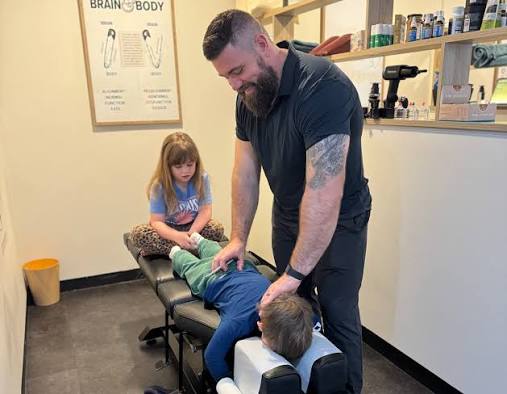
What Does A Movement Evaluation Measure?
Assessment goes well beyond asking where pain sits. The focus lands on how motion gets produced.
- Spinal segments are tested for end-range glide
- Hip rotation gets compared from side to side
- Breathing patterns reveal rib cage restriction
- Walking shows how load transfers between steps
- Old injuries are rechecked for lingering guarding
Personalized Plans Follow The Body’s Response
No two stiff spines improve on one schedule. Visit frequency bends around progress, job demands, and sleep quality. A chiropractor north austin families rely on may taper sessions once rotation holds between them. Desk workers need pacing that differs sharply from roofers or nurses.
Why Do Repeat Checks Matter More?
One visit captures a single moment. Pain can quiet down while motion stays limited. Repeat measurement exposes that gap before it hardens. Consider wheel alignment: the car tracks straight for a while, then drifts. Spinal joints behave much the same under repeated load.
Daily Habits Decide How Adjustments Hold
Work done in a clinic fades without reinforcement at home.
- Shift seated position every forty minutes
- Carry bags across both shoulders
- Support the neck neutrally during sleep
- Walk briskly after long drives
How Soon Should Changes Become Noticeable?
Easier rotation tends to register within two or three weeks. Objective gains trail that sensation by some margin. Range measurements often improve after a month of steady effort. Stalled numbers signal a plan needing revision. Repeating an unchanged approach simply burns through weeks.
The Quiet Math Of Lost Degrees
Those few degrees per segment compound in both directions. Restore motion at three levels, and overhead reaching stops borrowing from the shoulders. That is the genuine payoff, counted in tasks rather than pain scores. A spine checked twice a year tells a thinner story than one tracked through seasons of work, travel, and interrupted sleep.
FAQs
How long does a first evaluation take?
Initial visits run longer because movement testing, history, and posture screening happen together. Expect roughly forty-five minutes before any care begins.
Can spinal care help without current pain?
Yes. Restriction often precedes symptoms by months, and catching it early keeps compensation patterns from spreading to the hips or shoulders.
Does every plan require frequent visits?
No. Frequency depends on how well gains hold between appointments, and many plans reduce visits once measurements stabilize.
What should someone bring to an appointment?
Comfortable clothing that allows free movement helps most. Prior imaging, surgical history, and a note about work posture also sharpen the assessment.